
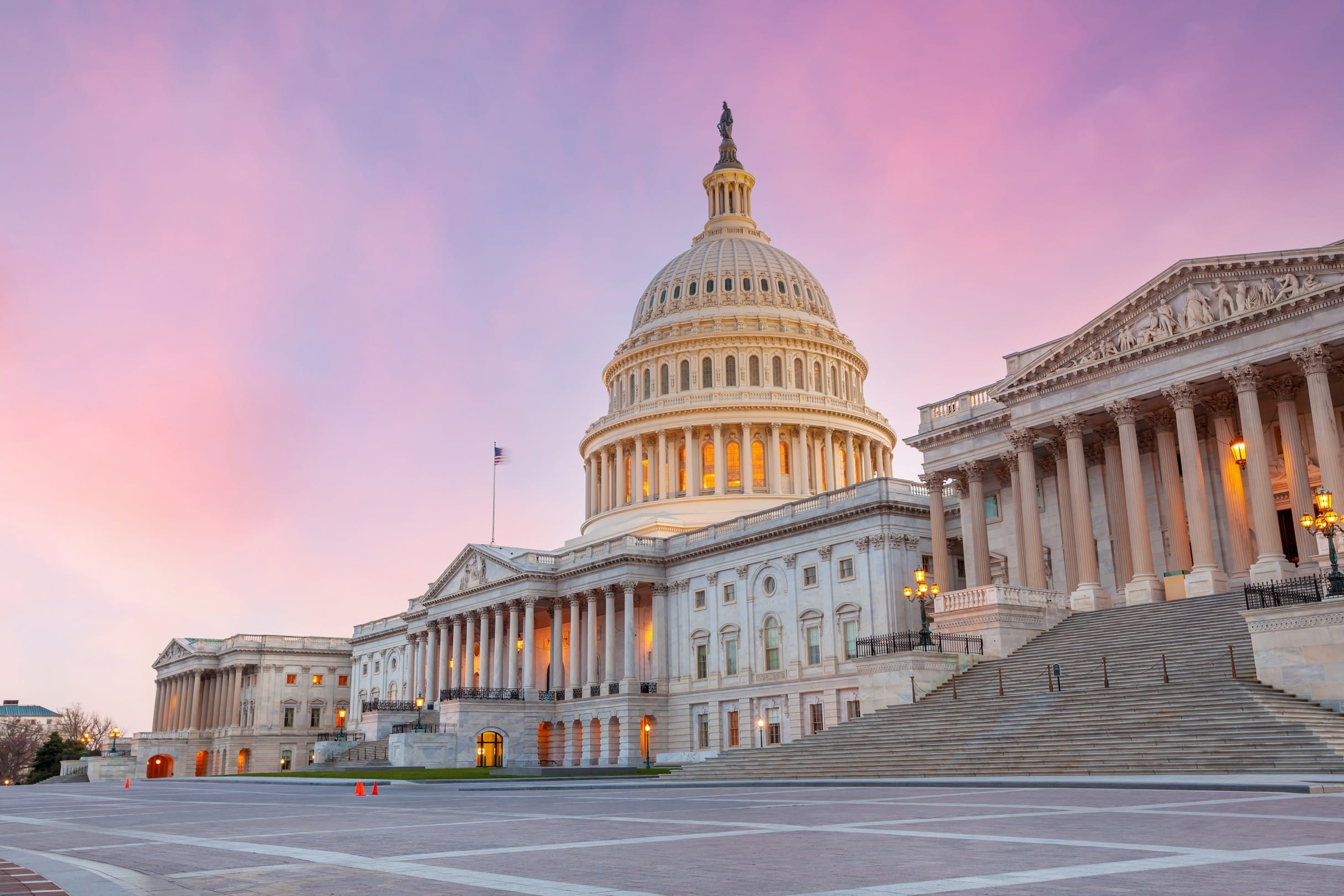
Proper medical waste disposal is critical for protecting healthcare workers, patients, the public, and the environment. Healthcare facilities generate various types of regulated waste that require specialized handling, transportation, treatment, and disposal. While medical waste regulations exist nationwide, Washington, DC, presents a unique compliance landscape that differs from many other states.
From its dense urban environment to its regulatory framework and limited treatment infrastructure, healthcare providers operating in the District of Columbia must understand specific requirements to maintain compliance and avoid costly penalties.
Understanding Medical Waste in Washington, DC
Medical waste includes materials generated during the diagnosis, treatment, immunization, or care of humans and animals. These waste streams may contain infectious agents, sharps, pharmaceuticals, or other potentially hazardous materials that require special handling.
Common examples of medical waste include:
- Used needles and syringes
- Scalpels and other sharps
- Blood-soaked bandages and gauze
- Laboratory cultures and specimens
- Pathological waste
- Expired pharmaceuticals
- Contaminated personal protective equipment (PPE)
Healthcare facilities throughout Washington, DC, are responsible for properly segregating, packaging, storing, transporting, and disposing of these materials in accordance with applicable regulations.
Who Regulates Medical Waste Disposal in Washington, DC?
Medical waste disposal in Washington, DC, is regulated through a combination of local and federal agencies. Healthcare facilities must comply with District requirements and federal regulations governing workplace safety, transportation, and environmental protection.
Key regulatory agencies include:
- Occupational Safety and Health Administration (OSHA)
- U.S. Department of Transportation (DOT)
- Environmental Protection Agency (EPA)
- Centers for Disease Control and Prevention (CDC)
- District of Columbia environmental and public health authorities
Because healthcare providers often transport waste outside of the District for treatment and disposal, compliance with transportation regulations is particularly important.
How Washington, DC, Regulations Differ from Other States
Although many medical waste management principles are consistent across the United States, Washington, DC, has several characteristics that make compliance unique.
Dense Urban Environment
Unlike many states with large rural areas and multiple treatment facilities, Washington, DC, is a compact, highly populated jurisdiction. Limited space for waste storage and treatment facilities means healthcare organizations often depend on frequent waste collection services.
This increases the importance of:
- Timely waste removal
- Proper container management
- Safe storage practices
- Accurate waste tracking
Reliance on Out-of-State Treatment Facilities
Many states operate medical waste treatment facilities within their borders. In contrast, a significant portion of medical waste generated in Washington, DC, is transported to treatment facilities located in neighboring states.
As a result, healthcare facilities must pay close attention to:
- Transportation regulations
- Waste manifest requirements
- Chain-of-custody documentation
- Packaging and labeling standards
Increased Regulatory Oversight
Due to the District’s proximity to federal agencies, government institutions, and densely populated communities, environmental compliance often receives heightened attention.
Healthcare providers are expected to maintain thorough documentation and demonstrate consistent compliance practices during inspections and audits.
Transportation and Documentation Requirements
Transportation compliance plays a particularly important role in Washington, DC, because medical waste is frequently transported across jurisdictional boundaries.
Healthcare facilities should maintain comprehensive records, including:
- Waste manifests
- Pickup logs
- Treatment certificates
- Employee training records
- Inspection reports
- Compliance documentation
Accurate recordkeeping demonstrates compliance and provides valuable documentation during regulatory reviews.
Common Medical Waste Compliance Challenges in Washington, DC
Healthcare organizations in the District often face unique operational and regulatory challenges.
Limited Storage Capacity
Many healthcare facilities operate within space-constrained urban environments, making regular waste collection essential.
Complex Regulatory Requirements
Organizations must comply with District regulations as well as federal transportation, workplace safety, and environmental requirements.
Rising Sustainability Expectations
Healthcare providers are increasingly expected to adopt environmentally responsible waste management practices that reduce landfill waste and improve recycling.
Cost Management
Improper segregation can significantly increase disposal expenses by unnecessarily classifying non-regulated materials as medical waste.
Best Practices for Medical Waste Disposal in Washington, DC
Healthcare facilities can strengthen compliance and improve operational efficiency by implementing proven waste management practices.
Conduct Regular Employee Training
Staff should receive ongoing education regarding waste segregation, container usage, labeling requirements, and emergency response procedures.
Use Properly Labeled Containers
Clearly marked containers help reduce disposal errors and improve workplace safety.
Schedule Routine Waste Collection
Consistent pickup schedules prevent storage issues and help maintain compliance with applicable regulations.
Maintain Detailed Documentation
Accurate records support compliance efforts and simplify inspections or audits.
Perform Internal Compliance Reviews
Routine assessments help identify potential gaps before they become regulatory concerns.
Choosing a Disposal Provider in Washington, DC
Selecting the right medical waste disposal partner can help healthcare facilities navigate regulatory requirements while maintaining safe and efficient operations.
When evaluating providers, healthcare organizations should look for:
- Reliable collection schedules
- Regulatory expertise
- Sharps disposal services
- Pharmaceutical waste management
- Hazardous waste disposal solutions
- Compliance training support
- Detailed reporting and documentation
An experienced provider can help reduce compliance risks while ensuring medical waste is managed safely from generation through final disposal.
Work with a Medical Waste Disposal Provider in Washington, DC
Medical waste disposal in Washington, DC, differs from that in many other states due to its dense urban setting, reliance on out-of-state treatment facilities, and heightened regulatory oversight. Healthcare providers must carefully manage waste segregation, transportation, documentation, and compliance to meet both local and federal requirements.
Whether operating a hospital, physician practice, dental office, laboratory, outpatient center, or veterinary clinic, partnering with a knowledgeable medical waste disposal company can help ensure safe, compliant, and cost-effective waste management throughout the District.