
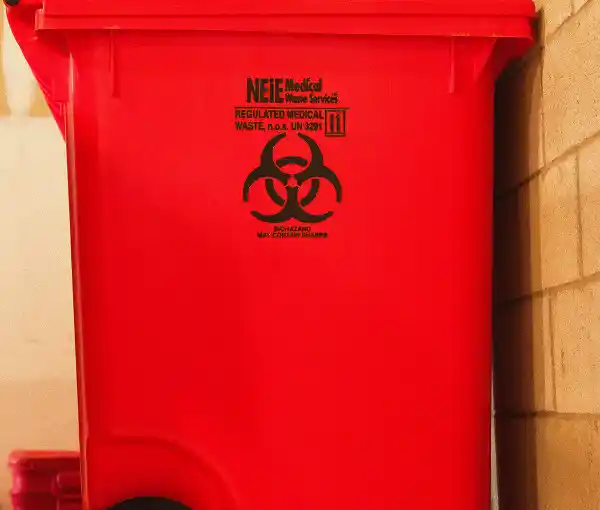
In every healthcare facility, there are waste streams that need careful management due to their potential hazards. This waste is referred to as regulated medical waste (RMW). Healthcare facilities must understand what qualifies as regulated medical waste to maintain compliance with local, state, and federal regulations.
What Qualifies as Regulated Medical Waste?
Regulated medical waste is any waste that is contaminated by bodily fluids or has been exposed to infectious agents. It must be handled and disposed of according to strict regulations to minimize health and environmental risks. The EPA and OSHA provide clear guidelines for the management of RMW, emphasizing proper handling, segregation, and disposal.
Key Categories of Regulated Medical Waste
There are several key categories of RMW that healthcare facilities need to be aware of:
Infectious Waste
Items contaminated with blood or bodily fluids, such as gauze or bandages.
Pathological Waste
Human tissues, organs, or body parts that are discarded after medical procedures.
Sharps Waste
Needles, syringes, and other sharp objects can cause injuries.
Pharmaceutical Waste
Expired or unused prescription medications that could be hazardous to the environment or public health.
Chemical Waste
Hazardous materials, such as cleaning agents and solvents, used in medical procedures.
Why Proper Disposal of Medical Waste Is Important
Proper disposal is crucial for preventing the spread of infections and minimizing environmental pollution. Facilities that fail to manage medical waste properly can face harsh penalties, including fines and legal action. Additionally, mishandling medical waste can put patients, staff, and the public at risk.
Check out where you can dispose of sharps containers.
How to Safely Manage and Dispose of Regulated Medical Waste
Healthcare facilities must follow best practices to segregate and dispose of RMW properly. Some key steps include:
- Segregation at the Source: Keep RMW separate from regular waste in designated containers.
- Labeling and Packaging: Containers should be clearly labeled and marked with appropriate symbols for easy identification.
- Regular Disposal Services: Work with a certified medical waste disposal company to ensure waste is transported and treated correctly.
Check out our Sharps Disposal Guidelines for more tips.
Common Mistakes in Medical Waste Disposal
While proper disposal is essential, mistakes are common. These include:
- Mixing non-infectious waste with infectious waste.
- Incorrectly labeling containers or not following required treatment procedures.
Learn more about common compliance errors in medical waste management and how to avoid them with this guide.
Need Medical Waste Services?
Ensuring proper disposal of regulated medical waste is essential for patient safety and environmental health. If your healthcare facility needs assistance with medical waste disposal, contact NEIE Medical Waste Services today to learn about our comprehensive services and compliance support.